Aadi Velli 2026: Significance, Gods, Good Timing, Rituals and Pooja Procedure
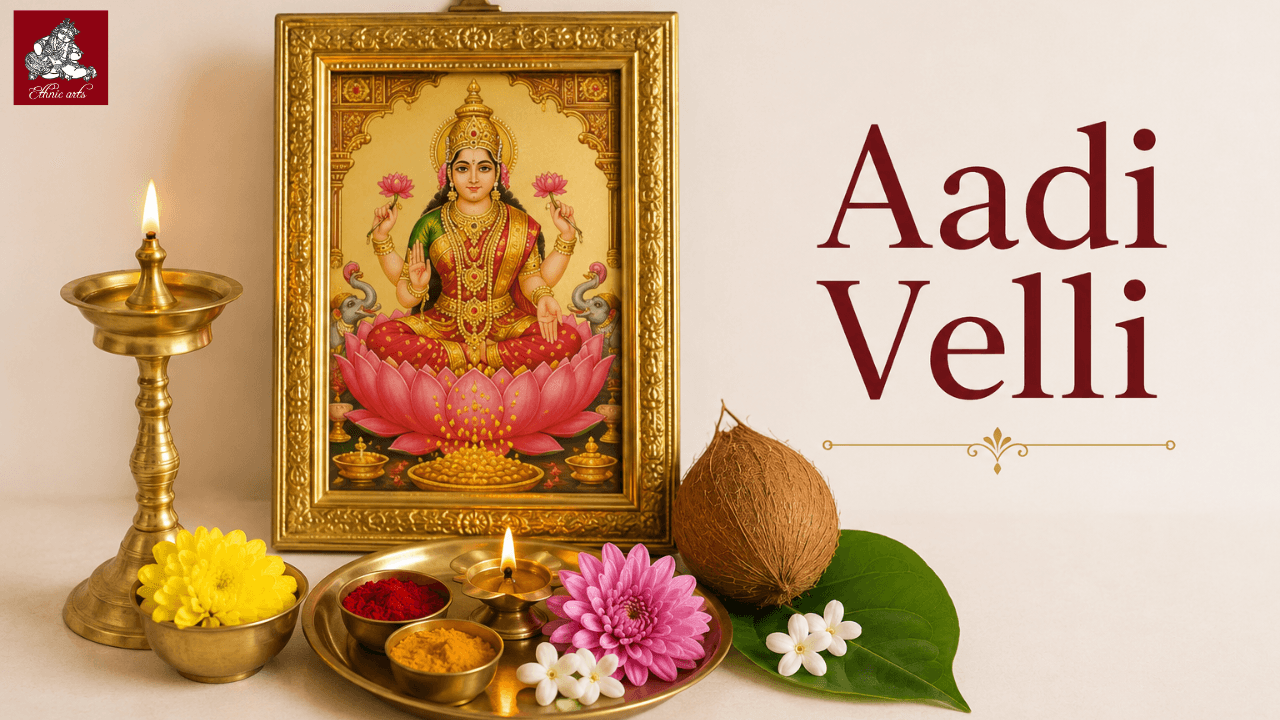
Aadi Velli is one of the most spiritually significant observances in Tamil culture. Celebrated on every Friday during the Tamil month of Aadi, it is dedicated primarily to Goddess Shakti and her many forms.
During Aadi Velli, devotees worship Amman for courage, protection, health, family harmony and prosperity. Homes and temples are decorated with lamps, flowers, turmeric and kumkum, while special prayers and offerings are made to the Divine Mother.
Although customs differ between families, communities and temples, the heart of Aadi Velli remains simple: expressing gratitude to the Goddess and seeking her guidance with sincerity.
What Is Aadi Velli?
The Tamil word “Velli” means Friday. Therefore, Aadi Velli refers to every Friday that occurs during the Tamil month of Aadi, which generally falls between July and August.
Aadi is closely associated with the worship of Shakti, the divine feminine power. The month also marks the beginning of Dakshinayanam, the Sun’s southward journey in the traditional Hindu calendar. This period is regarded as particularly suitable for prayer, spiritual discipline and Goddess worship.
Many Tamil families reduce or postpone major domestic celebrations such as weddings during Aadi and instead dedicate the month to temple visits, vows, fasting, charity and prayer.
Aadi Velli Dates in 2026
In 2026, the Tamil month of Aadi begins on July 17, 2026, and continues until August 17, 2026. There are five Aadi Fridays in 2026.
Aadi Velli | Date | Tamil Date |
First Aadi Velli | July 17, 2026 | Aadi 1 |
Second Aadi Velli | July 24, 2026 | Aadi 8 |
Third Aadi Velli | July 31, 2026 | Aadi 15 |
Fourth Aadi Velli | August 7, 2026 | Aadi 22 |
Fifth Aadi Velli | August 14, 2026 | Aadi 29 |
The fifth Aadi Velli in 2026 also falls close to the celebration of Andal Jayanthi or Aadi Pooram, adding further devotional significance to the day.
Why Is Aadi Velli Considered Special?
Aadi Velli is devoted to the nurturing, protective and transformative powers of the Divine Mother.
In Tamil Nadu, different forms of Amman are worshipped according to local traditions. Devotees may visit Mariamman, Kaliamman, Angala Amman, Kamakshi Amman, Karumariamman or Durga temples.
Special abhishekams, alankarams, deepa poojas and processions are commonly organised at Goddess temples during Aadi. Tamil Nadu’s Aadi spiritual tours also include temples dedicated to Vadivudai Amman, Kalikambal, Karpagambal, Devi Karumari Amman and Kamakshi Amman, demonstrating the diversity of Goddess worship during the month.
Aadi Velli is traditionally observed for:
Spiritual strength and courage
Protection of the family
Health and emotional well-being
Harmony between family members
Marriage-related prayers
Fertility and motherhood blessings
Financial stability and prosperity
Relief from fear, difficulties and negative thoughts
These are devotional beliefs rather than guaranteed outcomes. The deeper purpose of the observance is to develop faith, discipline, gratitude and inner strength.
Which Gods Are Worshipped on Aadi Velli?
Aadi Velli is primarily dedicated to Goddess Shakti, but devotees may worship her in different forms depending on their family tradition and personal prayer.
Mariamman
Mariamman is among the most widely worshipped village and guardian goddesses in Tamil Nadu. She is traditionally associated with rain, healing, protection and the well-being of the community.
Neem leaves, turmeric, flowers, lamps and cooling offerings are commonly connected with Mariamman worship.
Goddess Durga
Durga represents courage, protection and the strength to overcome obstacles. Devotees pray to her for confidence, clarity and protection from fear.
Some devotees perform Durga worship during Friday Rahu Kalam. While Rahu Kalam is usually avoided for beginning ordinary auspicious activities, certain Shakti traditions intentionally use this period for Durga prayer.
Kamakshi Amman and Parvati
Goddess Kamakshi and Goddess Parvati are worshipped for family unity, marriage, compassion and emotional harmony.
Married women may pray for the welfare of their families, while unmarried devotees may offer prayers for a suitable life partner. These customs vary between households and should not be treated as compulsory rituals.
Goddess Lakshmi
Lakshmi is worshipped as the Goddess of prosperity, abundance, auspiciousness and well-being.
Since Friday is traditionally associated with Lakshmi worship, many families include Lakshmi pooja during Aadi Velli. Lamps, lotus flowers, kumkum, fruits and sweet offerings may be presented to her.
Angala Amman and Kali Amman
Angala Amman and Kali Amman are powerful forms of Shakti associated with protection, courage and the destruction of harmful forces.
Their worship is particularly prominent in several Tamil village and family-deity traditions.
Goddess Andal
Andal is especially worshipped during Aadi Pooram, which celebrates her birth star. Devotees pray to Andal with recitations from her devotional works and offer flowers, garlands and sweet prasadam.
What Is the Best Time for Aadi Velli Pooja?
There is no single compulsory time for a simple Aadi Velli prayer at home. Devotion and cleanliness are more important than performing every step at an exact minute.
However, the following periods are commonly preferred.
Morning Worship
The pooja may be performed after bathing and cleaning the prayer area, preferably between sunrise and the beginning of daily work.
A convenient home-pooja period is generally between:
6:00 AM and 9:00 AM
On the first Aadi Velli of 2026, sunrise in Chennai is at approximately 5:51 AM.
Evening Worship
Many families perform Aadi Velli pooja during the evening lamp-lighting period.
A convenient period is generally:
5:30 PM to 7:30 PM
The Goddess may be worshipped after lighting the evening lamp, followed by chanting, naivedyam and deeparadhana.
Friday Rahu Kalam
In Chennai, Friday Rahu Kalam generally occurs during the late morning. On the first Aadi Velli of 2026, it falls between approximately 10:39 AM and 12:15 PM. The timing changes slightly according to the date and location.
Devotees following Rahu Kala Durga pooja may worship Durga during this period. Those performing a general Lakshmi or household Amman pooja can use the morning or evening period according to family custom.
Exact Nalla Neram, sunrise and Rahu Kalam should always be checked using a location-specific panchang because timings vary between cities. A divine observance deserves better than blindly forwarding last year’s WhatsApp calendar.
Items Required for Aadi Velli Pooja
A simple home pooja can be performed with items already available in most households.
You may prepare:
A clean image, idol or devotional painting of the Goddess
Turmeric and kumkum
Sandalwood paste
Fresh flowers
Two lamps
Sesame oil, ghee or preferred lamp oil
Cotton wicks
Incense or sambrani
Coconut
Betel leaves and areca nuts
Bananas or seasonal fruits
A small kalash or water vessel
Naivedyam
Camphor for deeparadhana
There is no requirement to purchase every possible pooja item. A clean lamp, flowers, water, fruit and sincere prayer are sufficient for a simple observance.
Step-by-Step Aadi Velli Pooja Procedure at Home
Step 1: Clean the Home and Pooja Area
Clean the entrance and prayer room before beginning the pooja. Traditionally, a simple kolam may be drawn near the entrance or in front of the pooja space.
Take a bath and wear clean clothes.
Step 2: Prepare the Goddess Altar
Place an image, idol or Tanjore painting of Goddess Lakshmi, Durga, Kamakshi, Mariamman or your family deity in the centre.
Decorate the altar with flowers, turmeric, kumkum and lamps. A kalash filled with clean water may also be placed if it is part of your family custom.
Step 3: Light the Lamps
Light one or two lamps and offer incense.
Many devotees use ghee or sesame oil. The choice of oil is a matter of household tradition, not a spiritual competition where the most expensive lamp wins.
Step 4: Begin With Ganesha Prayer
Offer a brief prayer to Lord Ganesha before beginning the main Goddess pooja.
This is traditionally done to seek clarity and the removal of obstacles.
Step 5: Make a Simple Sankalpam
Sit calmly and state your intention for performing the pooja.
You may pray for the welfare of your family, good health, courage, gratitude, spiritual growth or guidance through a difficult situation.
The prayer can be spoken in Tamil, Sanskrit, English or silently. Sincerity matters more than pronunciation.
Step 6: Offer Turmeric, Kumkum and Flowers
Apply turmeric, kumkum and sandalwood to the Goddess image or altar as appropriate.
Offer flowers one by one while chanting the Goddess’s name.
Simple names such as the following may be repeated:
Om Shakti
Om Sakthi Parasakthi
Om Sri Durgayai Namaha
Om Sri Mahalakshmyai Namaha
Om Sri Matre Namaha
Step 7: Recite Devotional Prayers
Devotees may recite any familiar Goddess prayer, including:
Lalitha Sahasranamam
Lakshmi Ashtothram
Durga Ashtothram
Abhirami Anthathi
Mahishasura Mardini Stotram
Amman devotional songs
Andal’s Thiruppavai or Nachiyar Thirumozhi during Aadi Pooram
Reciting one prayer with attention is better than rushing through several texts while mentally planning dinner.
Step 8: Offer Naivedyam
Offer a simple vegetarian preparation to the Goddess.
Common options include:
Sweet pongal
Paal payasam
Sarkarai pongal
Sundal
Lemon rice
Curd rice
Coconut
Fruits
Jaggery-based sweets
Some Mariamman traditions include koozh or other regional offerings. Follow your family or temple custom where applicable.
Step 9: Perform Deeparadhana
Light camphor and gently perform deeparadhana.
Pray quietly and conclude by offering namaskaram. Distribute the naivedyam as prasadam among family members.
Step 10: Practise Charity or Sharing
Aadi Velli can also be observed through acts of kindness.
Some families offer food, clothes, turmeric, kumkum or tamboolam to women. Others donate meals or essential items to people in need.
This is optional, and the value of the act comes from respect rather than display.
Should You Fast on Aadi Velli?
Fasting is optional.
Some devotees consume only fruits, milk or light food until the pooja is completed. Others avoid non-vegetarian food, onion or garlic according to their household tradition.
People who are pregnant, elderly, unwell, taking medication or managing health conditions should not undertake strict fasting without suitable guidance. A simple vegetarian meal and sincere prayer remain fully meaningful.
Spiritual discipline is not supposed to become a contest in avoidable exhaustion.
How to Keep an Aadi Velli Vratam
A simple Aadi Velli vratam may include:
Waking early and bathing.
Cleaning the prayer area.
Lighting a lamp for the Goddess.
Eating simple vegetarian food.
Avoiding anger, harsh speech and unnecessary conflict.
Visiting an Amman temple when possible.
Chanting a Goddess prayer.
Offering food or help to someone in need.
Performing evening deeparadhana.
Completing the day with gratitude.
Devotees may observe one Friday, all five Fridays or whichever days are practically possible.
Creating a Sacred Pooja Space at Home
A devotional image can become the visual centre of a prayer space, helping family members pause, focus and reconnect with tradition.
Tanjore paintings are especially valued in South Indian homes for their rich gold work, raised detailing and sacred iconography. At Ethnic Tanjore Arts, paintings are created by artisans using traditional methods, natural pigments, embossed detailing and 22-carat gold foil. The collection includes Goddess Lakshmi paintings, Shiva-Parvati paintings and custom devotional artworks suitable for pooja rooms and meaningful gifts.
Welcome the Divine Mother Into Your Home This Aadi
Aadi Velli is not merely a day for requesting wealth, marriage or solutions to problems. It is an opportunity to honour the strength, compassion and protective presence represented by the Divine Mother.
Whether you perform an elaborate pooja, visit an Amman temple or simply light one lamp at home, the observance can become a meaningful moment of gratitude and reflection.
Bring devotion, tradition and timeless South Indian artistry into your sacred space with an authentic handcrafted Goddess Tanjore painting.
Explore devotional paintings and traditional artworks at Ethnic Tanjore Arts.
